
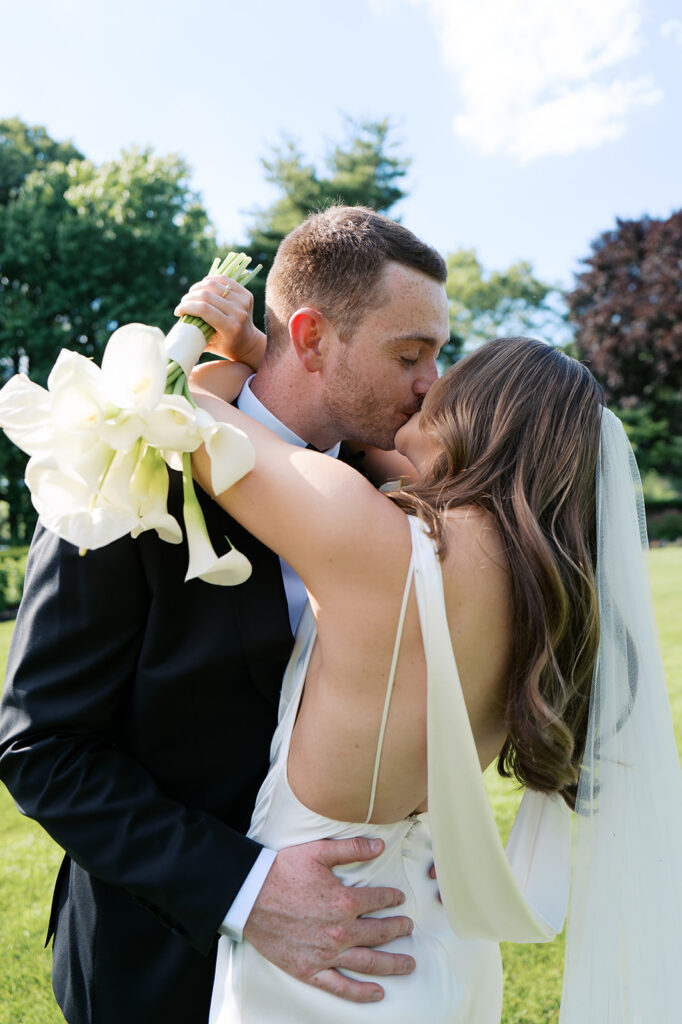
Asking how many hours of wedding photography do I need is the single biggest factor to in planning your wedding photography. It’s the difference between a day that feels relaxed and one that feels rushed. Every couple deserves to be present on their wedding day, and your timeline will be the single most important tool for ensuring that happens.
The best wedding days are the ones where the couple releases expectations, stays flexible, and trusts the experience as it unfolds. That means with an experienced photographer, you have a solid plan, a timeline even, but it exists to support your experience, not control it.
This all begs the question, “so where do you start?”
Start With the Experience You Want to Have
If timeline determines your experience, more hours isn’t about getting more photos. It’s about creating breathing room over rushing. This in turn, makes more space for creativity, emotion, joy, reflection. Most importantly, it creates a place where more candid, documentary photography can happen. It’s about depth over anything else. We can be more spontaneous. And when you’re spontaneous things are more organic. Your gallery as a result reflects that intention and is no longer a checklist of images taken but emotions expressed.
What Actually Determines How Much Coverage You Need?
Now let’s get practical. There are certainly portions of your day to factor in in order to be sure things don’t devolve into chaos. Being flexible to the plan is very different than not having one at all. Factors like getting ready, first look or no first look, ceremony location, travel between locations, cocktail hour, reception traditions, and your afterparty each require consideration. The more logistics there are to consider the more time you need. While your planner ultimately creates the final run of show, and even if you’re working without one, collaborating with your photographer is essential to being realistic about how much time each section of your day includes. In the next section, I’ll break down typical wedding day needs and equivalent hours of coverage.
Typical Wedding Photography Coverage
So how much wedding photography coverage do you need?
6 hours:
Typically 6 hours is best suited for elopements and intimate weddings. It works best when the day is intentionally simple. With one location, minimal travel, and a shorter timeline, six hours can comfortably cover the most meaningful parts of the celebration without sacrificing the experience.
8 hours:
Eight hours of wedding photography is best suited for celebrations where everything takes place in one location and the timeline includes a first look. In those situations, eight hours is often enough to document the full story of the day without feeling rushed.
10 hours:
Ten hours of wedding photography is often the better choice when the ceremony takes place at a church or in a separate location from the reception. Couples who choose not to do a first look typically spend more time on portraits and family photographs following the ceremony, making additional coverage especially valuable. If there is a gap between the ceremony and reception for portraits or travel, ten hours provides the flexibility to document the entire day without feeling rushed or sacrificing meaningful moments.
12 hours:
Twelve hours of wedding photography is ideal for full-day celebrations with multiple locations and a more expansive timeline. Whether you’re getting ready at a hotel, celebrating at a city venue that requires travel throughout the day, planning multiple portrait opportunities in different locations, or creating an elevated guest experience with thoughtfully planned events, twelve hours provides the flexibility to document the celebration as it naturally unfolds. It is also a wonderful option for couples who want extended reception coverage, late-night dancing, or an after-party without feeling like the story ends before the celebration does.
The Biggest Mistake Couples Make
One of the biggest mistakes couples make is underestimating how much time it takes to move through a wedding day. Every transition takes longer than expected. This includes even simple tasks like gathering family members for portraits, traveling between locations, or simply taking a moment to breathe. Those minutes add up quickly.
It’s also easy to pack too much into a single day. A wedding timeline shouldn’t be measured by how many events can fit into it, but by how much space it creates for you to actually experience those moments. The best timelines leave room for spontaneity, conversation, and the unexpected moments that often become the most meaningful memories.
Why an Experienced Photographer Helps Build the Timeline
Having an experienced photographer on your team means they can anticipate problems before they arise. You don’t have to worry about reacting to situations when they’ve already been planned for. In addition, experience means understanding which parts of the day can flex and which moments should never be rushed. They’ve seen enough wedding days to know where delays are likely to happen, how to adapt when they do, and how to keep the day feeling effortless and beautifully unhurried.
Choosing the Right Wedding Photography Timeline
In conclusion, there is no perfect number of hours for every wedding. The right amount of coverage depends entirely on how your day is designed and, more importantly, how you want to experience it. A thoughtful timeline creates space to be present, to connect with the people you love, and to enjoy the celebration you’ve spent months planning.
At the end of the day, wedding photography isn’t about documenting the most hours possible. It’s about preserving the moments that matter without ever feeling rushed through them.
Your wedding day shouldn’t be remembered for how quickly it flew by. It should be remembered for how fully you were able to experience it. If you’re looking for a photographer who will help you create a timeline that supports that experience, I’d love to connect. Inquire here to start.
To see more work from Jennifer Conti follow her on Instagram here.



+ Comments